
Inside IYC’s 180-Yacht Charter Fleet, with Marie Molls
As IYC’s charter management portfolio has grown to more than 180 yachts, Marie Molls is stepping into its global leadership with a clear philosophy: scale only works when the relationships behind it remain personal.
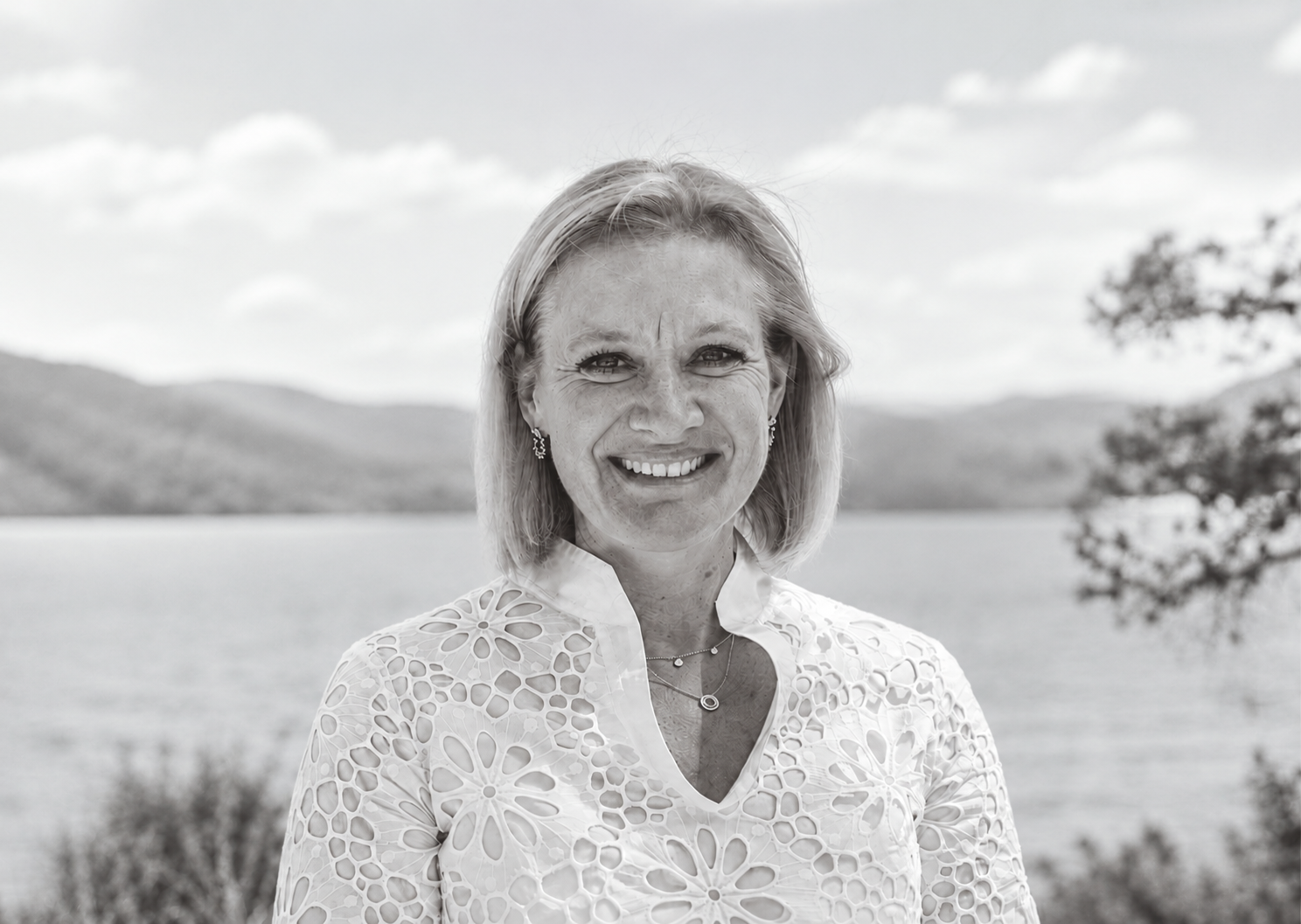
In yachting, growth is admired, but scale can invite questions. When a charter management portfolio reaches more than 180 yachts, can an operation of that magnitude still offer the individual attention on which this industry has always been built? Can relationships remain personal and standards consistent? For Marie Molls, IYC’s Global Director of Charter Management, these questions go directly to the heart of how she believes a modern charter operation should work. After more than two decades spanning operations, sales, retail charter and charter management, Molls has learned that success at this level is ultimately less about numbers than the people responsible for delivering them. “Your success is only as good as your team and their motivation,” she says.
“Your success is only as good as your team and their motivation. In a results based industry with exceptionally high standards, the individuals behind those results remain the priority.”
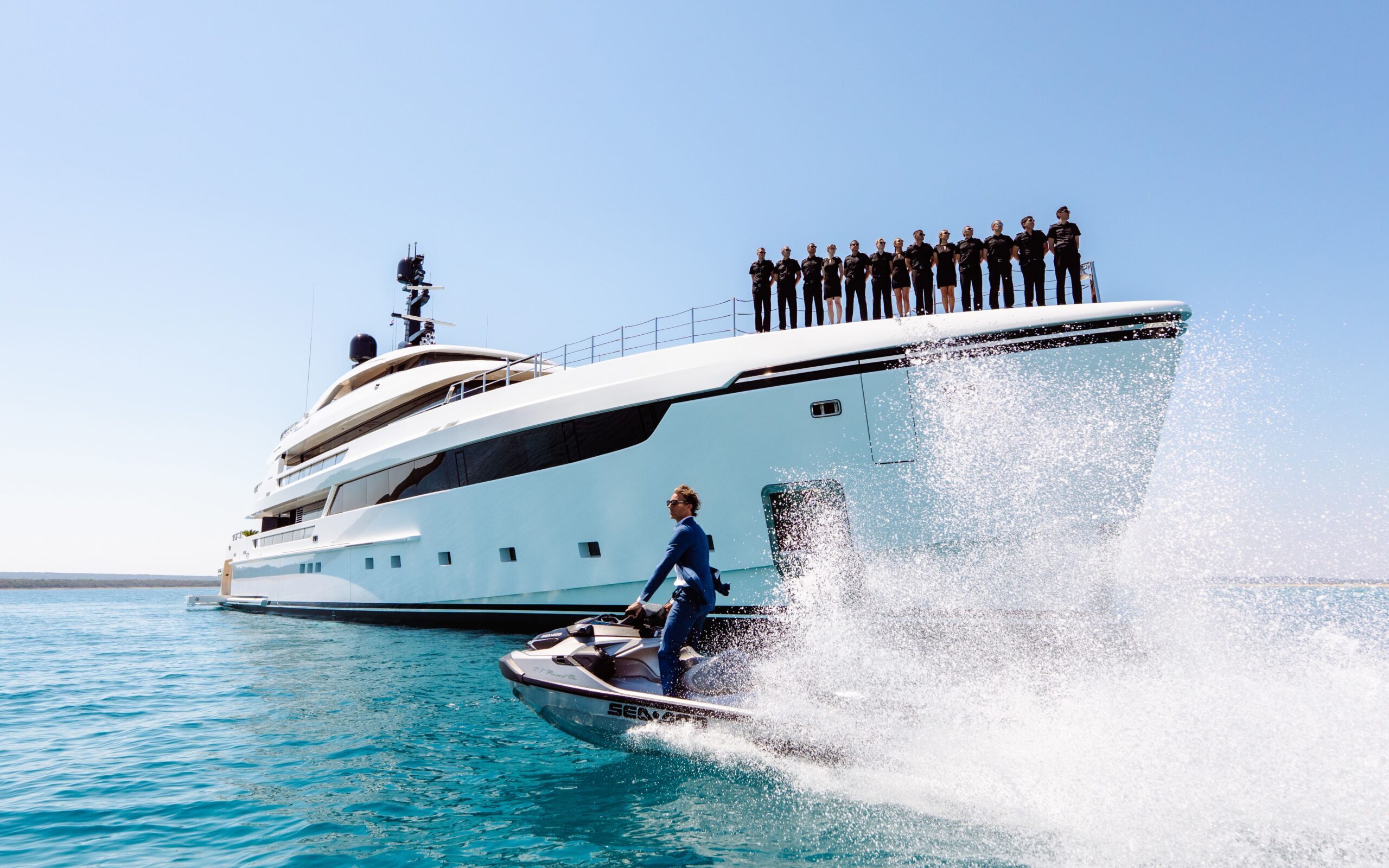

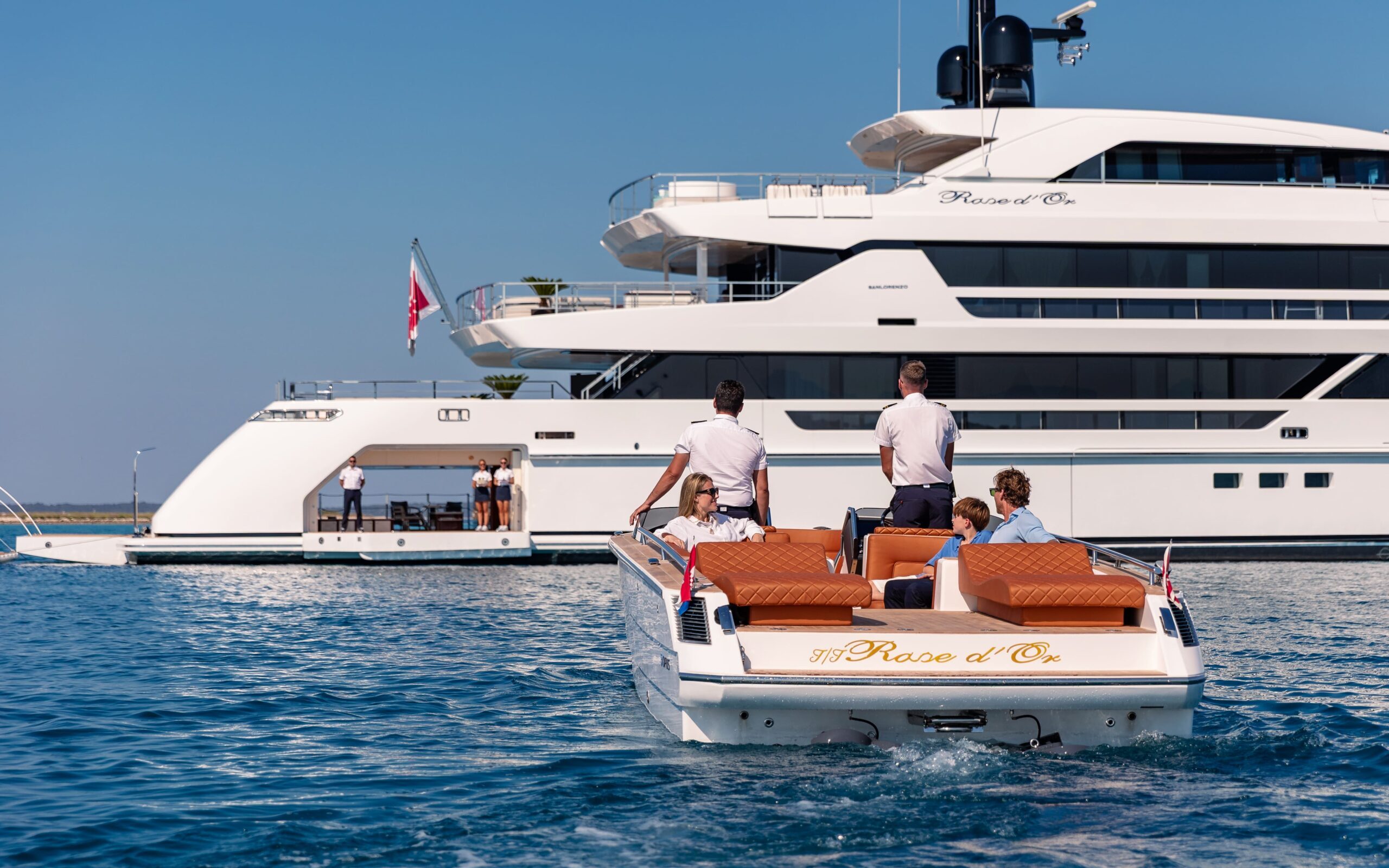
Yacht ROSE D’OR
Molls enters her global role at an important point in IYC’s evolution. Its charter management fleet has expanded dramatically, creating an international operation that requires sophisticated systems and market intelligence, but also a structure capable of maintaining standards across yachts and owners. “The team and the client relationship are at the top of my agenda,” she says. “It is certainly a results based industry with very high standards, but the team and its individuals are the main focus, and I need to lead by example.” That includes remaining close to the operational side of the business. Molls deliberately continues to manage yachts herself. “I manage yachts myself to stay relevant and respected within the team, and also to continuously understand what is going on, both in the industry and in the daily challenges and issues we all face as the industry develops.” Across IYC’s offices, responsibility is distributed among team leaders, managers and assistants, with mentoring playing an important role as individuals take greater ownership of accounts.
There is an unavoidable perception surrounding a portfolio of this size: when an owner entrusts a yacht to a company managing more than 180 others, how can they be certain theirs will receive enough attention? Molls understands the concern. “I appreciate that such a large fleet could lead to such a thought,” she says. Her answer lies partly in IYC’s structure, with yachts assigned to dedicated managers and assistants who carry individual responsibility for their accounts. But Molls argues that scale can also create opportunities that smaller portfolios cannot. When a requested yacht is unavailable, demand can move across comparable yachts within the managed fleet. “The bonus of having a large scale fleet to represent is that we can often cross sell the availability of similar yachts when the yacht requested is booked,” she explains. “This has proven to be quite a success.” In this context, scale begins to look less like a compromise and more like a commercial ecosystem.
“Knowledge is power. Our scale gives us the data and visibility to advise owners with greater accuracy about how much, where and when.”
Scale also generates intelligence. More than 180 yachts across different sizes, price points, destinations and seasons offer IYC considerable visibility into what the charter market is actually doing. “Knowledge is power,” Molls says. “We are very strong on data and on monitoring the trends and actual data for the various sizes and locations globally. “That information informs decisions far beyond pricing. Owners must consider positioning, cruising grounds, home ports, crew, tenders, toys and onboard experiences. “This gives us a strong advantage to be very accurate and detailed in the way we advise our clients about how much, where and when,” she explains. But while data informs the strategy, it cannot define it alone. The owner’s objectives remain central. “Most of our owners operate their yachts with a combination of their own use and commercial charters,” Molls explains. For some, charter is supplementary, with only a handful of bookings arranged around substantial private use. Others rarely use their yachts and seek a far more commercially active programme.
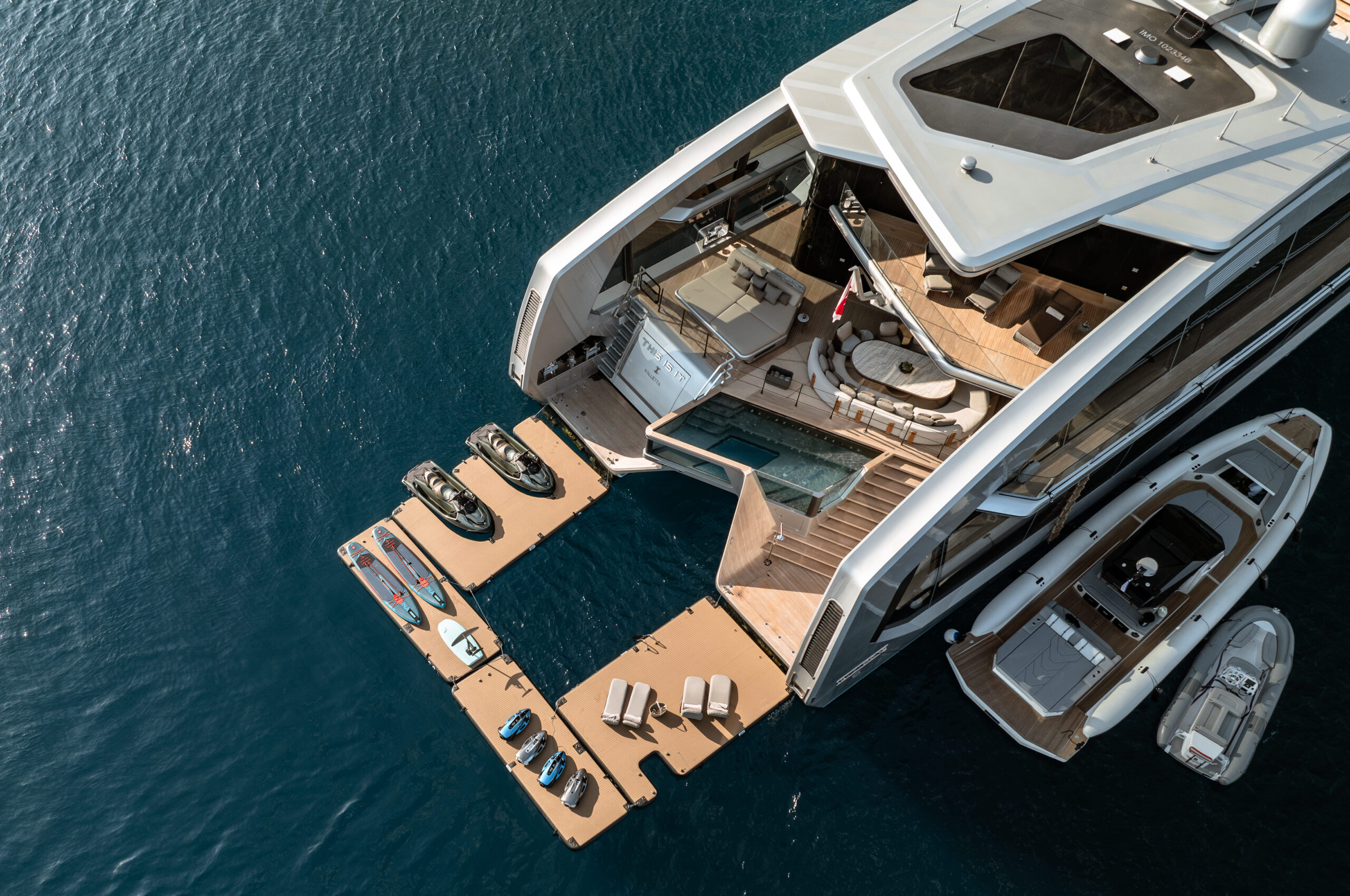


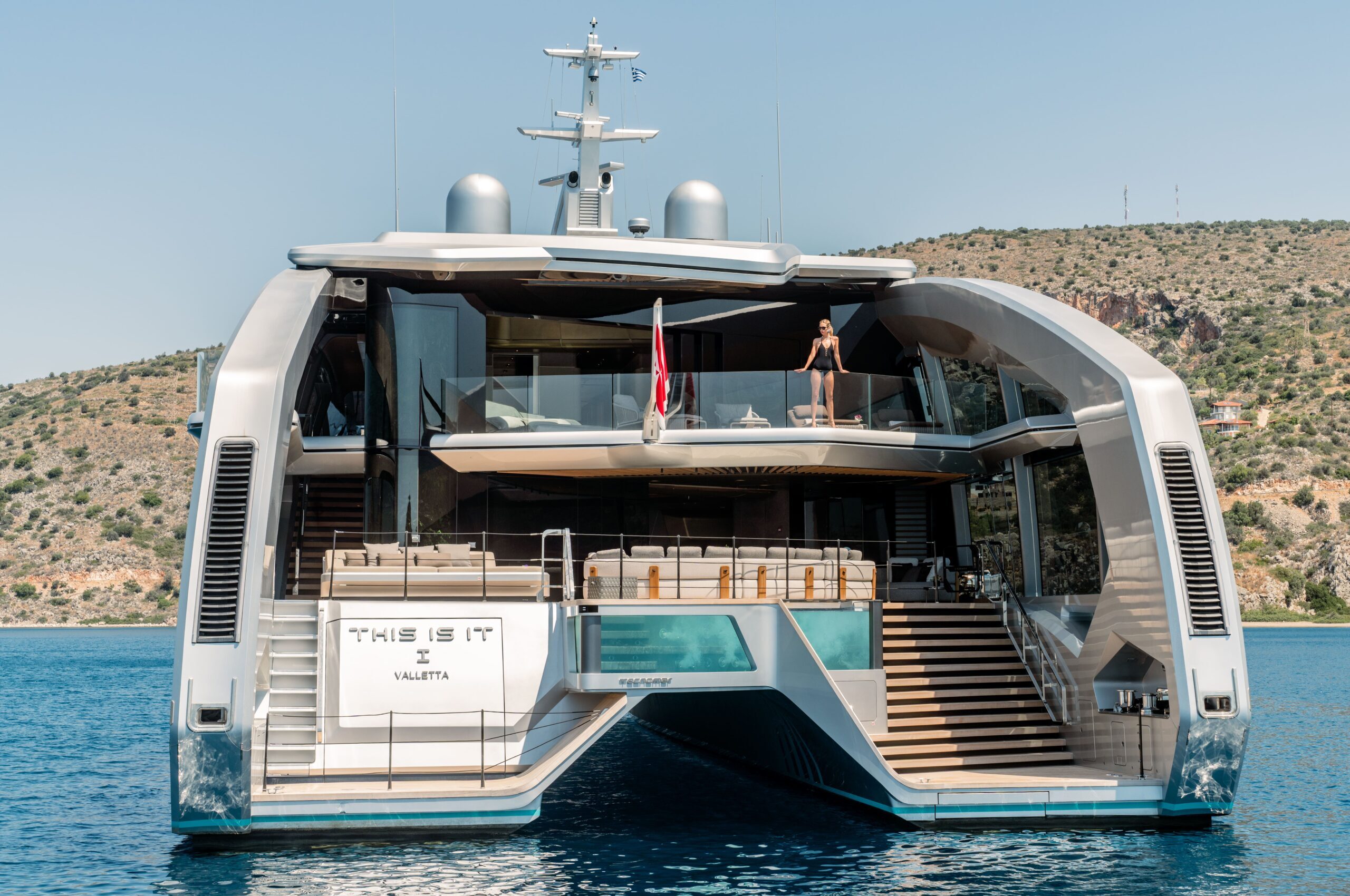
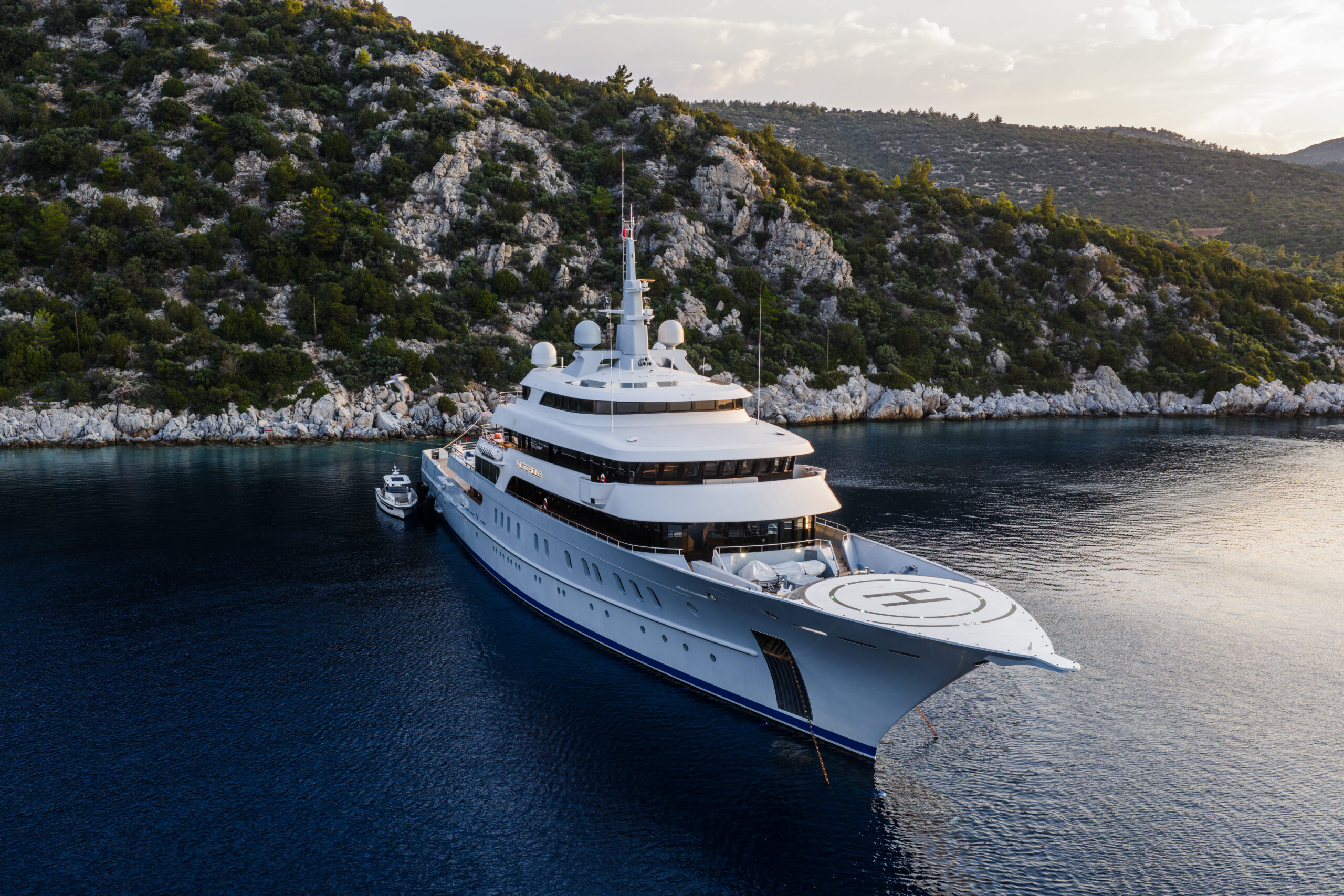
Yacht THIS IS IT
“We should not oversell. We have to be careful with the advice we give because, at the end of the season, we are the ones handing over the results.”
The role of the manager therefore begins with understanding what success means to each owner. “It is very much a case by case study. We as managers and advisors have to really understand each owner and their yacht.” That also requires restraint. Good management is not about pursuing the most aggressive commercial strategy at every opportunity. “We should not oversell and must be very careful with our advice, because we will always be there at the end of a season handing over the results.”
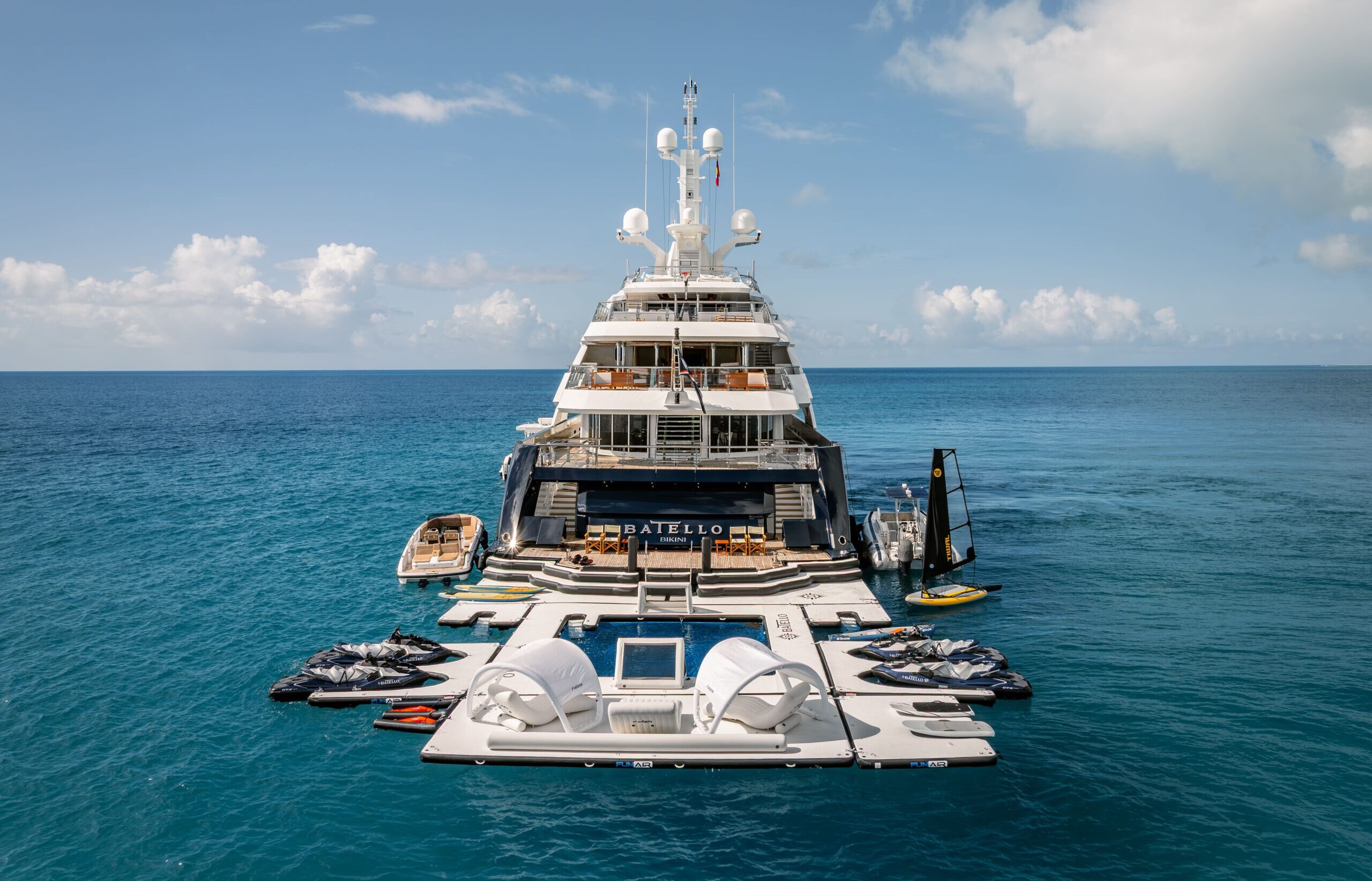
For some owners, IYC may become deeply involved in decisions surrounding destinations, positioning and the charter programme. Others need less intervention. The expertise lies in understanding which approach is appropriate, and ultimately being accountable for the strategy recommended. The charter market has become intensely competitive, and simply being beautiful or technically impressive no longer guarantees success. “The competition is fierce for any yacht, new or old, big or small,” Molls says. Modern builds naturally carry appeal, but owners can strengthen a yacht’s position considerably through quality crew, tenders, toys, entertainment and the overall experience offered onboard.
“The competition is fierce for every yacht. You have to stand out, build a personality around the yacht and understand exactly which client it should appeal to.”
Increasingly, identity matters too. “Stand out and build a particular personality for the yacht which appeals to a certain customer category,” Molls advises. The strongest charter yachts have a recognisable atmosphere and a clear proposition. For a company representing such a broad portfolio, differentiation is essential. The objective is not to make every yacht appeal to everyone, but to understand precisely who each yacht should appeal to. Today’s charterers are also increasingly sophisticated. Many have chartered repeatedly and arrive with considerable knowledge of yachts, destinations and service standards. “Charter clients are genuinely quite experienced now,” Molls says. “When they know what they want, you have to come up with exactly that, and then some.”
“It is not always about selling the biggest and most expensive yacht. It is about listening carefully enough to understand what the individual client actually wants.”

At the same time, expertise means recognising what sits behind an enquiry. “It is all about tailored advice,” she explains. “We need to understand what the charter client wants, even when sometimes they are not fully aware themselves.” And the answer is not automatically the largest yacht or highest weekly rate. “It is not always about selling the biggest and most expensive. It is about respecting the enquiry at hand and really listening and understanding the needs of the individual client.“
IYC’s expansion has been remarkable, but Molls describes much of it as organic. In an industry built on reputation, new business often arrives through existing owners, crew and professional relationships. “Relationships built are rarely forgotten when good results are achieved,” she says. Alongside those traditional networks, IYC has invested heavily in marketing and digital communication, something Molls believes has contributed to its growth and its connection with a new generation. Her vision is not to replace the traditional foundations of yachting, but to bring the two worlds together. She sees IYC “having really embraced the new generation’s trends, while still respecting and keeping the more traditional ways of supporting and representing the past.”
It reflects the wider evolution of charter management. The business is becoming larger, more international and increasingly informed by data. Marketing has changed, clients have changed and the systems supporting the industry have evolved. But trust, accountability and personal relationships remain at its core.


Five years from now, Molls hopes IYC will have demonstrated that managing a vast portfolio and providing individual attention do not have to be opposing ideas. “We will have proved that being actively engaged and having responsibility for a vast number of yachts was possible within a strong and dedicated team effort, with thorough attention to the individual client and their expectations.” Systems, data, marketing reach and international infrastructure will all play their part, but Molls ultimately brings the conversation back to where she started: the people behind them. For all the impressive numbers surrounding IYC’s growth, perhaps the more meaningful measure of its next chapter will not be how much larger its fleet becomes, but how successfully it can turn that scale into something valuable for every individual client.
Images courtesy of
The International Yacht Company